


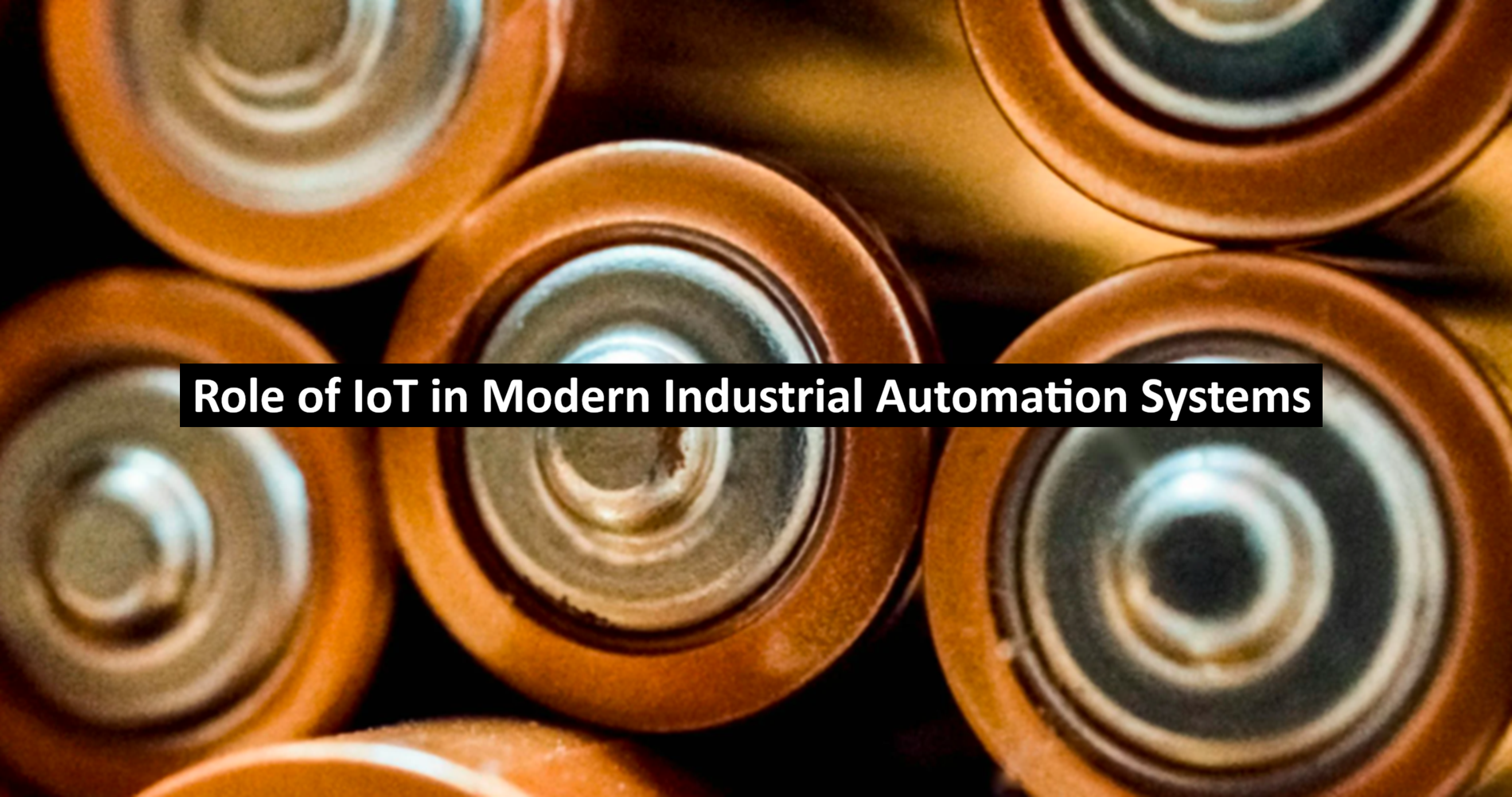
The Role of IoT in Modern Industrial Automation Systems is easier to understand when it is seen from the factory floor. A machine stops, a line slows, a motor overheats, a sensor catches the change before people spot it. That is the real value of IoT. It turns quiet equipment into equipment that can report, warn and guide better decisions. Modern automation is no longer only about machines doing repeated work. In fact, it relates more with how the work is running and the machine sharing system balances the process simultaneously.
What Is IoT and How Does It Connect to Industrial Automation?
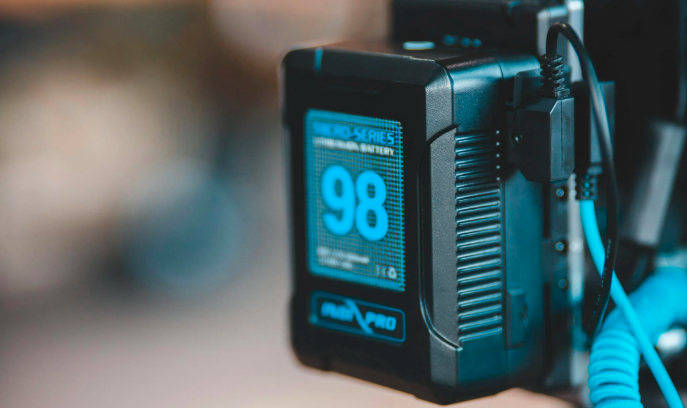
In industry, it refers to connected sensors, machines, meters, controllers and software that collect data from real equipment.
A factory already has automation when machines handle tasks that people once had to repeat by hand. A filling machine can fill bottles. A robotic arm can lift parts. A conveyor can move goods from one station to another. IoT adds a second layer to that setup. It allows those systems to send useful information back to operators, engineers and managers.
That information may be simple. A motor is running hotter than usual. A compressor is using more energy than it did last week. A production line is slowing down at the same point every shift.
This is not fancy for the sake of it. It is practical. People working in a plant need clear signs before problems turn expensive. IoT gives them those signs earlier.
A connected system can help teams see:
- Which machine needs attention
- Which part is wearing down
- Which process is wasting time
- Which area is using too much power
- Which fault keeps coming back
The point is not to remove human judgment. The point is to give skilled people better visibility.
Read: From Concept to Closet: The Life of a Printed T-Shirt
How IoT Is Transforming Traditional Industrial Systems
Traditional industrial systems often worked like closed boxes. A machine ran until something went wrong. Maintenance teams checked equipment on a schedule. Managers reviewed reports after the shift ended. In many cases, the information arrived after the cost had already happened.
IoT changes that rhythm.
A connected pump can show pressure changes before failure. A motor can report unusual vibration. A storage room can track temperature for sensitive materials. A smart meter can show energy spikes that would otherwise hide inside a monthly bill.
This turns maintenance into something more planned. Instead of waiting for a breakdown, teams can step in when the warning signs begin. That one change can save hours of lost production. Businesses that pair this kind of operational awareness with a solid strategic planning guide are better positioned to turn early data into long-term decisions.
The same idea is now appearing outside large factories too. Smaller workshops, warehouses, building systems and energy setups are becoming easier to monitor. Even a customized home energy storage battery can use connected data to show charge levels, usage patterns and system health.
Despite how the scale may change often but the thought pattern does not. Not only that, but if you witness warehouses, smart buildings, backup power systems and even custom battery packs, such monitoring helps track usage, charge behavior and system health without relying on guesswork.
IoT helps people see what used to stay hidden.
That is why many plants start with one problem. Maybe downtime is too high. Maybe energy waste is getting expensive. Maybe quality checks are catching issues too late.
On top of that, these sorts of devices just direct the whole team with a well-structured outline before they can think about all the extra spending because it wasn’t necessary to began with.
Key Benefits of IoT Integration in Industrial Automation
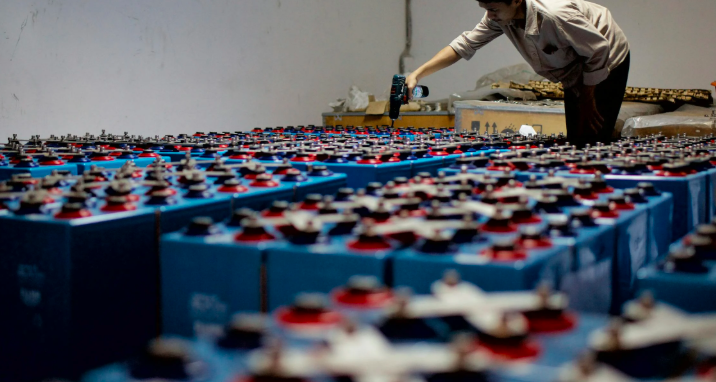
The strongest benefit of IoT is not the technology itself. It is the time saved when people get the right signal early.
One clear benefit is reduced downtime. Machines usually show small signs before they fail. Heat, vibration, noise, slower speed and pressure changes can all point to a coming issue. Sensors catch those signs faster than a clipboard check at the end of the day.
Another benefit is better use of energy. Industrial equipment can waste power in ways that are hard to notice. A motor may run longer than needed. A compressed air system may leak. A process may use heavy power at the wrong time of day. IoT data makes these patterns easier to find.
Quality control also improves. If a machine drifts out of its normal range, the system can alert the team before a full batch is affected. That can mean less scrap, fewer returns and cleaner production.
Safety is another major gain. Sensors can track heat, gas, pressure, machine guarding and restricted movement. Alerts can reach the right people quickly when conditions move outside safe limits.
For plant managers, the daily benefit is confidence. Decisions become less dependent on memory, guesswork or late paperwork. A good IoT setup gives people a live view of the work they are already responsible for.
Challenges of Implementing IoT in Industrial Environments
IoT sounds smooth in theory. Inside a real plant, it takes careful planning.
Many factories use older equipment. Some machines were never built to connect with modern software. Others come from different brands with different control systems. Making everything speak the same language can take time.
Security is another serious concern. Once equipment is connected to a network, weak access points can create risk. A plant cannot treat connected sensors like casual office devices. Passwords, access control, network design and regular updates matter.
Data overload is a quieter problem. A factory can collect thousands of readings, but too much data can become noise. The best systems do not show everything. They show what matters.
Cost also needs a steady hand. Sensors, platforms, integration, staff training and maintenance all require investment. A business should not connect machines just to look modern. The first project should solve a real problem.
Workers also need to trust the system. If operators feel watched rather than supported, adoption can suffer. Clear training helps. So does showing how IoT makes the job easier, safer and less stressful.
Good implementation usually starts small. One production line. One energy issue. One maintenance problem. Then the system can grow from proof rather than pressure.
The Future of IoT-Driven Automation in Industry
The future of IoT in industry will not only be about more sensors. It will be about better decisions from cleaner data.
Factories will keep moving toward predictive maintenance, smarter energy use, faster quality checks and more flexible production. Machines will report more clearly. Dashboards will become simpler. Alerts will become more useful.
Artificial intelligence will likely sit beside IoT more often. IoT collects the readings. AI can study those readings to find patterns people may miss. For those looking to understand how this technology is already reshaping business decisions from the ground up, AI in entrepreneurship offers a practical look at how AI moves from concept to real-world impact.
Digital twins will also become more common. A digital twin is a live model of a real machine, line or plant. It lets teams test changes before touching the physical system. That can reduce risk during process improvements.
Still, the future will belong to practical systems. A factory does not need the most advanced dashboard in the room. It needs tools that help people keep production steady, protect workers and cut waste.
The smartest plants will not be the ones with the most data. They will be the ones that use data without drowning in it.
Conclusion
IoT is changing industrial automation in a very practical way. It helps machines speak before they fail, gives teams clearer information and turns daily operations into something easier to control. The real win is not more technology. It is fewer surprises, better timing, safer work and smarter use of every machine already on the floor.
Author’s Bio:
Aashi is a content writer specializing in technology, energy solutions and industrial innovation. She writes for National Battery Supply, a leading OEM/ODM battery manufacturer offering custom battery packs, portable power solutions, solar battery backups and large-scale energy storage systems.